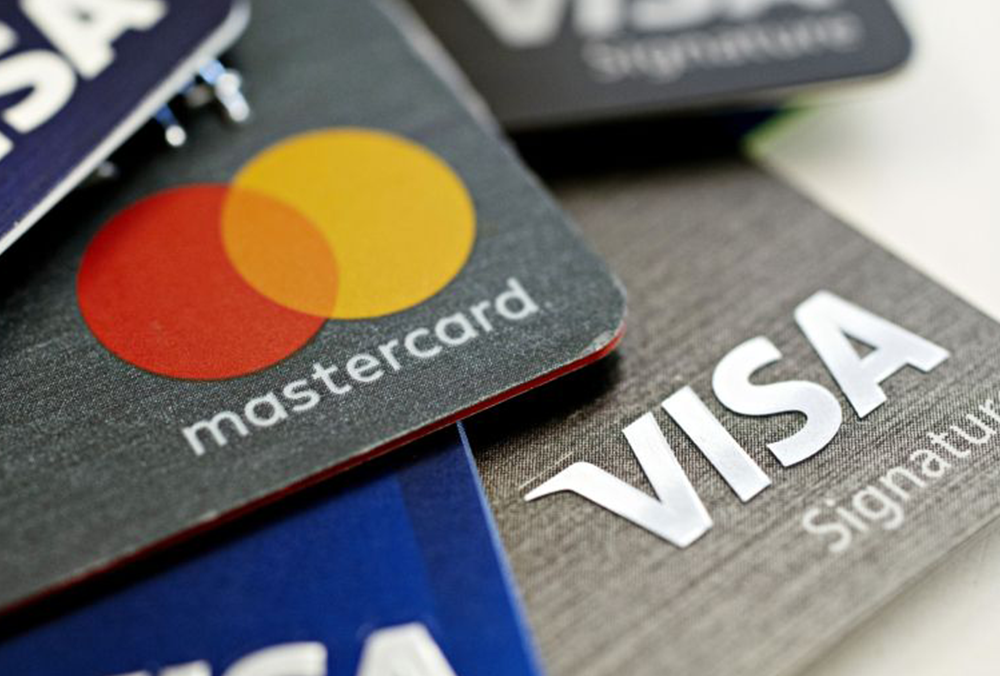
Maximising Rewards on a Higher Income Profile: Lerato, 30, lives in Cape Town, earns around R20,000 a month in a stable job. Bills paid, she's good – but who doesn't love getting extra value?
Lerato is not interested in establishing a credit score more than in paying out as much as possible each month.
She knows people using multiple credit cards in order to squeeze out the last bit of reward on supermarket shopping, petrol, entertainment and subscription spending. It seems like a game, one that is strategic. Lerato would prefer to play it strategically, without owing money or a headache. In this post, we’ll show how someone with a mid-tier salary like Lerato can use two or three credit cards (e.g., one from FNB, one from Capitec, one from Discovery Bank) to maximise reward benefits on everyday spending. We’ll dive into reward maximisation tactics for groceries, fuel, entertainment, and subscriptions, comparing each bank’s reward program and how to juggle them responsibly.
Capitec Credit Card (Live Better rewards): The no-nonsense cash back card. Quietly, low fees, flat rewards. No tiers, no hoop-jumping – but no enormous paydays either.
Discovery Bank Credit Card (Vitality Money): One of the components of Discovery's Vitality programme. Extremely rewarding if you maximise their use for good and healthy behaviour (from gym sessions to driving), but they require you to remain active on their programmes.
Lerato assembles them like Avengers with different strengths, ready to battle different expense categories. Here is a brief rundown of how these cards reward major spending categories: Comparison of reward across normal spending categories. Each card is best at various things – FNB eBucks offers high rewards on a few carefully selected partners (food, fuel, airtime), Capitec Live Better offers simple flat cashback on everything, and Discovery Vitality offers high rewards on specific healthy or travel-related spend for active members. (Information for illustrative purposes) As the table suggests, one card is not best at everything. FNB might offer Lerato up to 15% back on food and a significant R6 on fuel (a winner with eBucks enthusiasts), and Discovery may give her 10-25% back on selected items and travel, and Capitec gives 1% back on literally all shopping.
The trick to getting the most returns is to spend each purchase on the card that gives the most back.
Groceries and Fuel: Where the Big Rewards Are These two are two of Lerato's largest monthly spending categories, and the good news is they're reward goldmines: Groceries: Lerato incurs around R4,000 in groceries monthly, split between Checkers, Pick n Pay, and Woolworths. Using FNB eBucks, if she does her large shops at Checkers/Shoprite (or Spar), she can potentially earn up to 15% back as eBucks
on those purchases – but that "up to" is contingent on having a high eBucks status (i.e., meeting a number of banking criteria). Alternatively, Discovery Vitality rewards up to 25% back on "HealthyFood" at Pick n Pay or Woolworths
on those purchases – but that "up to" is contingent on having a high eBucks status (i.e., meeting a number of banking criteria). Alternatively, Discovery Vitality rewards up to 25% back on "HealthyFood" at Pick n Pay or Woolworths
Lerato considers her habits: she favours Woollies for quality vegetables and PnP for other groceries.
If she is an FNB client who hits her exercise goals and does her health tests (the standard Vitality procedure), swiping her Discovery card at Woolworths might accrue her substantial cashback on those quinoa and broccoli purchases. Alternatively, for unhealthy purchases or if she fails to meet Vitality benchmarks, FNB might reward more on a Checkers adventure.
Strategy: Lerato will use Discovery for her healthy basket (fruits, vegetables, lean meat at Pick n Pay/Woolies) to get the most out of that category's eBucks, and FNB for bulk house goods at Checkers (cleaning supplies, bulk food) to get eBucks.Capitec card, 1% on everything, falls back on any other store not among those (if she buys from a butchery or local market – she'll use Capitec there). Fuel: With petrol in the R22/L bracket, Lerato pays about R1,200/month in fuel. FNB's eBucks infamously gives back R2 to R6 per litre at Engen, depending on your reward level. Best, R6 back on a litre is a 27% rebate – not too shabby at all! Discovery Vitality, via Vitality Drive, can get up to 20% discount on petrol at Shell or BP (and even Uber rebates if she's a passenger!). Which one to use?
If Lerato is already doing Vitality Drive targets (like driving below speed limit, using the app's trips, etc.), 20% off is great – R240 on R1,200 of petrol.
Otherwise, her flat Vitality reward will be much lower, maybe 5-10%.
In the meantime, if she's on a mid-tier eBucks level, she'd get, say, R3/litre back at Engen.
For 50 litres (about R1,100), it's R150 back. Strategy: Lerato alternates between Engen and Shell depending on what reward she's maximising for that quarter. Maybe this quarter, she's doing everything for Vitality Drive (put in the sensor, drove like an angel) – she'll fill up at Shell to earn that 15-20% discount. Next quarter if she slackens on Vitality (or should FNB ramp up a promotion), maybe she'll switch to Engen to earn the eBucks. It's close to extreme couponing, but once it's a habit, second nature: she'll know what petrol stop to pull in based on the card in her wallet. And if she ever does get stuck and can't use a partner station, she'll just default to Capitec – 1% back is small, but better than nothing, and less bother than fretting about it. A quick humorous aside: If her friends tease her for driving an extra 5km to find an Engen just to save a few bucks, Lerato channels her inner Koshiek Karan: “Laugh now, but these ‘few bucks’ will buy my cappuccino – while you’re paying full price.” It’s tongue-in-cheek, of course. The real idea being that she is squeezing the value out where it makes sense, but not letting the tail (the rewards) wag the dog (her life). She won't, for instance, go that far out of her way so that she burns more energy than the reward is worth – that would be counter-productive. Entertainment, Subscriptions, and Other Lifestyle Spending What about the treats – dining out, Netflix, Spotify, trips to the cinema, fashion treats? Here, rewards are more spread around, and none of Lerato's three cards is unambiguously the best overall, but there are still optimisations to be made: Dining and Entertainment: Discovery Vitality (not the credit card, but via Vitality Health) offers 50% off cinema at Ster-Kinekor – but that is not having the Discovery credit card in the classical sense, it's just one of the membership benefits. For actual spending at restaurants or the cinema, none of the three cards offers huge direct rewards. FNB used to have eBucks on specific entertainment purchases (e.g., receiving eBucks on Uber Eats or Uber rides, which would tie in with a night out) – in fact, you can now get up to 15% back on Uber rides with FNB hippo.co.za if on a high tier.
So Lerato always pays with her FNB card when she gets an Uber to go out in the evenings.
If they go to the movies or a concert, she would most likely use whichever card she would require activity (or whichever has a tie-up – e.g., at times banks have promotions such as "buy tickets using your X card and receive a discount"). Here, honestly speaking, the benefit could be simply having more cards as a fall-back – if one card company has a promotion with an event or app, she can avail herself. Streaming & Subscriptions: Lerato has Netflix (R159 pm), Spotify (R60 pm), potentially DSTV Now. These are monthly recurring payments. Unfortunately, none of her available cards offer higher rewards on streaming subscription automatically. (If she had an Absa card instead, Absa Rewards gives back up to 30% on Netflix, Showmax, Spotify, etc., on top-end clients – but she doesn't.) What now? She'll probably add these subscriptions to her Capitec card. Why? Because 1% cash back is convenient and these are small, frequent payments, easy to keep on one card. Alternative view: FNB's eBucks deal isn't necessarily paying for Netflix, but FNB does something quite cunning – they let you spend eBucks in their eBucks store on vouchers (e.g., Takealot, Uber, maybe even Netflix coupons). So indirectly then, by racking up eBucks from other spending, she can trade them in for entertainment. For instance, after some months of usage of the card for buying groceries and fuel, she will likely have a build-up of eBucks that she can spend on a Takealot voucher and sale-binge shop, or an Uber Eats voucher for a treat meal.
It's a circular benefit, but it's great to watch your weekday spending fund your weekend trip. Online Shopping & Gadgets: FNB eBucks rewards tiny commissions on online shopping (e.g. 0.5% back on Takealot, Superbalist, etc.) mybroadband.co.za. Discovery card might not give you points for online shopping except when it's in a Vitality category. Capitec again just gives the flat 1%. So for Black Friday treats or that shiny new gizmo on Takealot, she'll be using FNB for sponsors like Takealot (to get the 0.5% eBucks, every little helps, right) mybroadband.co.za or Capitec for non-partners outlets (1% flat). And consider big-spending: If Lerato disappears, Discovery's card could be gold – Discovery bookings of flights earn her deep discounts (10–50%) Even FNB has travel deals under eBucks (like car hire or spa vouchers through eBucks partners). She monitors those and makes use of the card that is best-value.
It may mean from time to time not using a card's credit facility but exchanging points – i.e., paying with eBucks for an air ticket versus a cash payment using the Discovery card at a lesser discount. She'll do the math each time. It takes work, but can be shockingly saving.
Koshiek Karan might joke: "Lerato's so deep in the game, she's got a card for every day of the week. She even knows which card gives her the most back on popcorn vs. chips." It's humorous exaggeration. In real life, Lerato's system requires only two or three cards and a feel for when to use which one. With habituation, it becomes second nature – no mental contortion each time she pays. Remaining Responsible While Pursuing Rewards With great rewards comes great responsibility. Lerato has to ensure the reward-pursuing doesn't destroy her finances. Here's how she remains responsible:
One Wallet, One Plan: She only has these three cards (and maybe her debit card) in her wallet. Fewer cards, less confusion. She's got purpose tagging: FNB to X, Discovery to Y, Capitec to Z, as we hashed out. If the transaction doesn't fit (e.g., she's buying a gift at a boutique store), she resorts to the card with available balance or the one she hasn't used too much this month.Avoiding the Interest Trap: Lerato employs her credit cards as a means of accumulating points rather than as debt instruments. She requires every card to be paid in full. If she does go on wild spending sprees from time to time (it happens – say she purchased concert tickets on impulse), she'll cut back somewhere else or pay cash to cover the balance. The second the balance does roll over, the interest (~18% APR in SA) far exceeds any rewards (which can earn you 1-5% value). As Koshiek would put it, "Banks aren't charities – those reward programs are bait for the interest trap." Lerato won't fall into the trap but instead get to enjoy the bait. Monitoring and Admin: She sets up her internet banking to notify for each swipe of her card.
It prevents fraud, but also reminds her. She reviews the week's card spending on each Monday (a mini "money date" with herself). With a number of cards, you need to be a little more mindful. She also receives the statement dates (by choosing card open dates or requesting changes) – for example, her FNB statement is mid-month, Capitec end-of-month, and Discovery 5th. This way, she is not hit with all the bills simultaneously and cash flow is easier to manage. If she needs to, she can shift spend temporarily to a card with a bill later out, but she handles the strategy carefully (it's for cash flow timing, not for spending more). Annual Fee vs Reward Calculation: All cards have costs – monthly costs, maybe account costs. Lerato did some math: her FNB Gold card charge is ~R89/month hippo.co.za
justmoney.co.za, Capitec is R50/month justmoney.co.za Cumulatively ~R239/month worth of costs. She promises that her rewards are greater than that cost. For instance, in an average month, she might earn R150 in eBucks, R40 in Capitec cash back, and R100 in Discovery cash back – total ~R290. Good, her rewards are greater than the cost, which makes it worthwhile. If that weren't the case, she'd reconsider having all cards. (Absolutely no one should be paying more in fees than they get paid back – unless the goal is credit establishment, which is a secondary benefit.) Knowing When to Fold 'Em: When life circumstances change – when she takes a job with lots of travel and a corporate-rewards American Express, or tires of the hassles of Vitality – Lerato has no problem rearranging her card setup.
The goal is to optimize for her life, not attempt to make her life conform to the cards. This pragmatic approach (one that a seasoned finance reporter like Garth Theunissen would support) keeps her from taking the game too seriously. She is loyal to her wallet's agenda, not some particular bank's program.
The Bottom Line. In optimising and changing a number of credit cards, Lerato effectively gives herself a "salary bonus" every month in rewards. She's turned her spending into a game, without going down in the bank. Her shopping is cheaper (or earns her eBucks which cover her nice-to-haves), her fuel budget is lower because of rebates, and even her leisure has some payback (free coffee, discounted flights, name it). And perhaps best of all is the peace of mind: she's still living in her means, but better. She’s not depending on rewards (that’s money she can’t predict or control fully), but she’s definitely exploiting them. When done right, it feels like you’ve hacked the system – a satisfying feeling. In Koshiek Karan’s humorous tone, one might say: “Lerato has basically become the supermarkets’ worst nightmare – every time she walks in, they know she’s walking out with a trolley of points and cashbacks.
She's the coupon lady of credit cards, without the '90s tracksuit." And on a somewhat more serious note, if by Rynhardt de Lange: South Africans with tightened belts ("why are our wallets getting thinner?" asks a headline at mybroadband.co.za) can take small steps to fight back. The utilisation of loyalty programmes is one – it will not solve structural financial problems, but it might make day-to-day life slightly easier. Last tip: Tools like JustMoney's calculators or banks' reward estimators help make numbers, whether a method is worthwhile. Lerato sometimes plugs her spend numbers in to see if she needs to tinker with anything – e.g., if eBucks fall or Discovery changes Vitality rules (which it does!), she'll tinker. Staying informed is key. Look at comparison articles (MyBroadband and the others publish "best credit card" lists periodically) to keep yourself on the best track. Credit card rotation for rewards is being mindful. Spend you were already going to make + the right card = a little something back for you. Do that month after month, year after year, and it's not little anymore. So go for it, play your cards correctly – just remember, the house (bank) only triumphs when you lose your strategy. Keep your wits about you, be flexible, and enjoy those rewards responsibly. Your bank will look at you suspiciously for actually making the most of the benefits, but hey, as a savvy consumer, that's a badge of honour you'll be more than happy to wear.